
Celebrating Purim
Purim is one of Judaism’s most joyful holidays. At its heart is a story of courage and survival that has resonated with Jews for centuries.
In Reform Judaism, Purim is both a time to rejoice and a moment to reflect on what it means to stand for justice, generosity, and community.
The Story, the Scroll, & the Spiel
The Purim Story
Purim commemorates the events told in M’gillat Esther (the Book of Esther), set in ancient Persia. The story follows Queen Esther and her cousin Mordechai as they courageously thwart a plot by Haman, the king’s advisor, to destroy the Jewish people. Through careful timing, bravery, and advocacy, Esther risks everything to protect her community.
Uniquely, God’s name never appears in the text. Many Reform commentators understand this absence as intentional; a reminder that redemption can emerge through human courage and moral action, even when the Divine presence feels hidden or unspoken.

Reading the Megillah
A central mitzvah of Purim is the public reading of M’gillat Esther. Reform congregations often hold lively readings in the synagogue on Purim. Each time Haman’s name is spoken, the congregation—especially children—erupts with groggers and noise to “drown it out,” symbolically erasing his legacy of hate and harm. The result is a reading that is participatory, energetic, and deeply communal.
The Purim Spiel
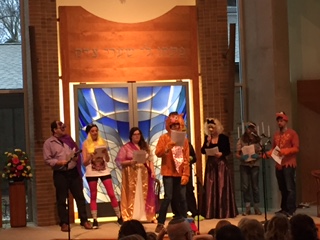
Many communities bring the story to life through a Purim Spiel, a humorous, theatrical retelling of the Purim narrative. Spiels range from classic parodies to creative, contemporary interpretations that explore themes of resilience and community. By blending laughter with meaning, spiels make the story accessible to all ages and remain a beloved highlight of Purim celebrations. Join Beth Tikvah for our Purim Spiel and Dinner on Monday, March 2, 2026!
Food, Gifts, & the Four Mitzvot
Hamantaschen & Delicious Traditions
No Purim celebration is complete without hamantaschen, the iconic triangular pastries filled with poppy seed, fruit, chocolate, or other sweet fillings. Their shape is often associated with Haman and offers a playful, symbolic way of “defeating” him through joy and sweetness.
Purim is marked by festive eating and drinking, reflecting the holiday’s emphasis on celebration and abundance. Across Jewish communities around the world, Purim foods vary widely, highlighting the rich diversity of Jewish cultures and culinary traditions.

The Four Mitzvot of Purim
Jewish tradition identifies four central mitzvot that shape how we observe Purim:
- Hearing the Megillah – so the story is told and retold
- Mishloach Manot – sending gifts of food to friends and neighbors
- Matanot La’Evyonim – giving gifts to those in need
- Se’udat Purim – enjoying a festive meal
Together, these practices ensure that Purim’s joy is a shared experience, woven with generosity, care, and inclusion.
Mishloach Manot & Gifts of Care
Sending mishloach manot strengthens communal bonds and reminds us that celebration is sweeter when shared. Matanot la’evyonim centers those who might otherwise be overlooked, ensuring that everyone can experience Purim with dignity. Reform jews often elevate this mitzvah through organized tzedakah efforts that place compassion at the heart of the holiday.
Symbols & Meaning
Esther, Hadassah, & Hiddenness
Esther’s Hebrew name, Hadassah, remains hidden beneath her Persian name, a reflection of one of Purim’s central themes. Just as Esther conceals her identity before revealing it at a critical moment, the absence of God’s name in the text underscores the idea that holiness and redemption often work quietly, through human choice and courage. Reform thinkers frequently point to this hiddenness as a call to recognize the sacred power of ethical action.

Costumes, Celebration, & Reversal
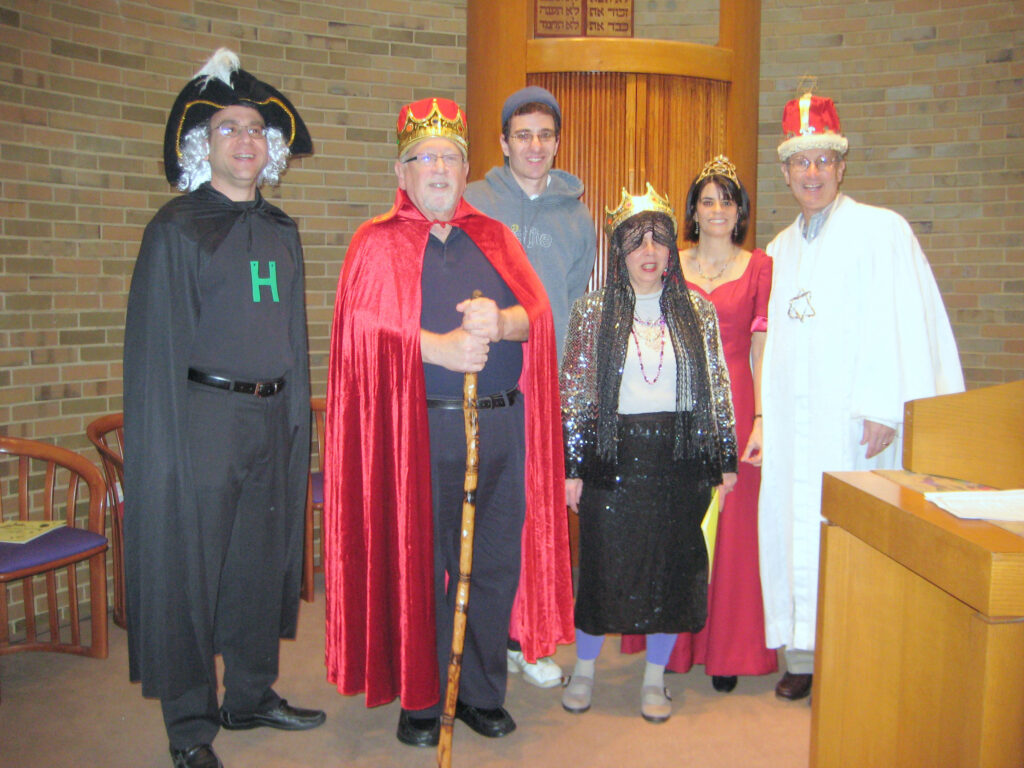
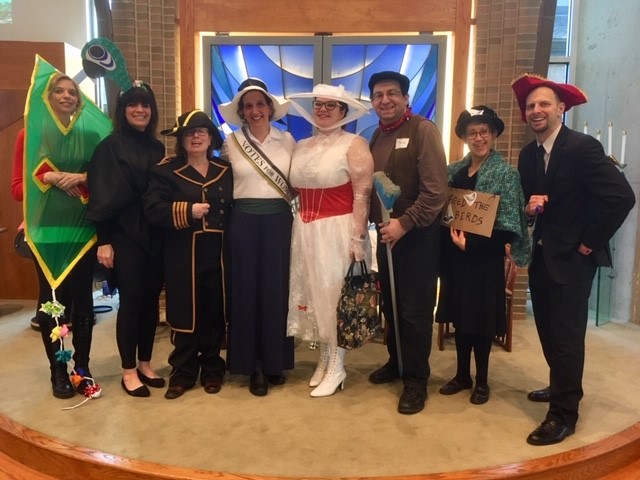
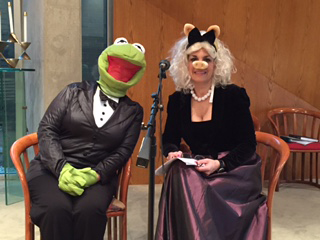
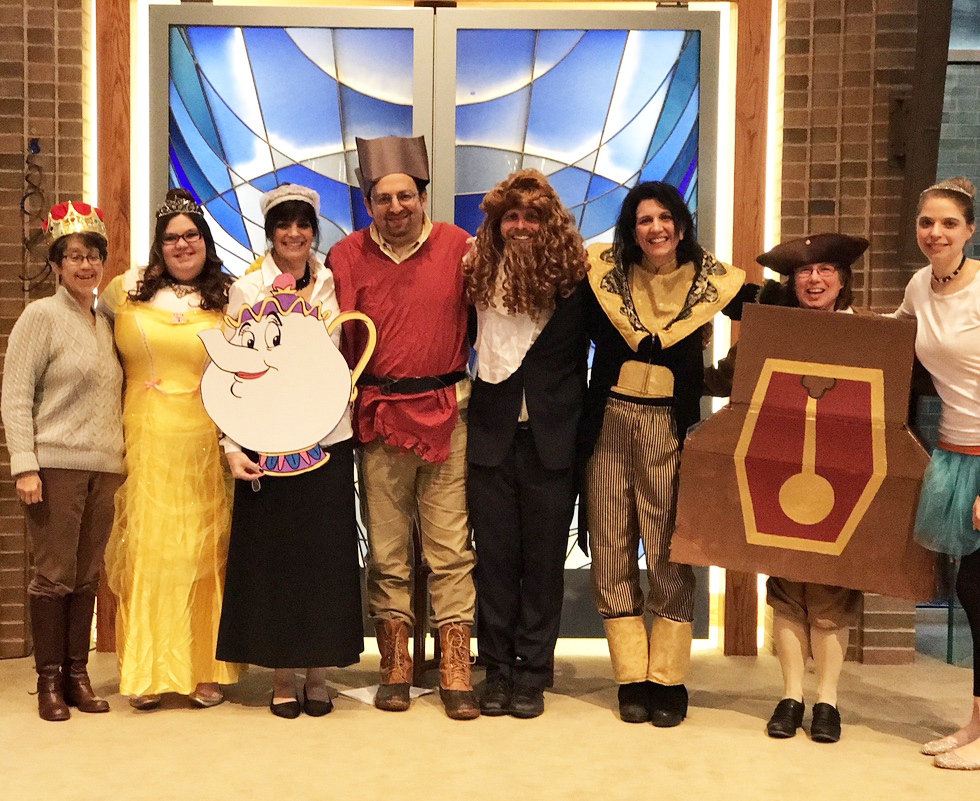
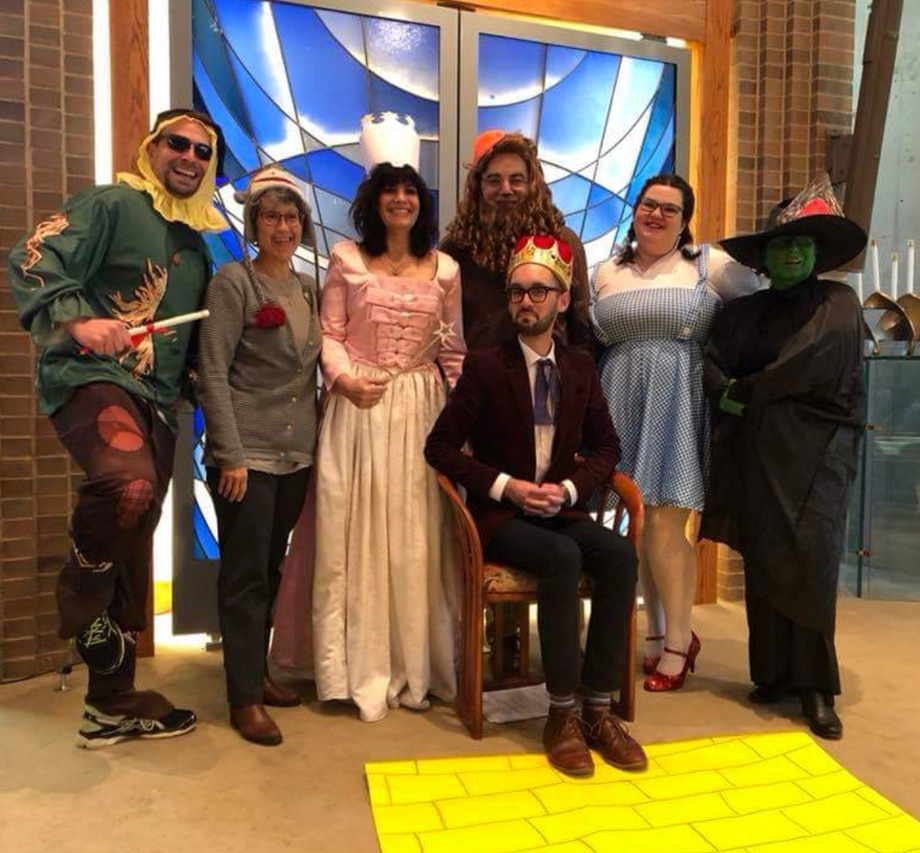
Costumes are a joyful hallmark of Purim, embodying the holiday’s themes of disguise and reversal. On Purim, roles shift, expectations are upended, and hidden truths come to light. Dressing up invites us to play, but also to reflect: Who holds power? Who finds their voice? And how do we choose to show up when it matters most?
Music, dancing, and festive songs add to Purim’s vibrant energy, especially during megillah readings and spiels. Through sound and movement, joy becomes collective, echoing the holiday’s message that survival and celebration are communal acts.
Click here for the URJ’s list of Purim media and resources.
Click here for PJ Library’s Purim resources for family with young children.
Joy with Purpose
Purim asks us to laugh loudly and give generously; to tell the story again and again until it becomes part of who we are. It reminds us that joy can be a form of resistance and that even in uncertain times, courage often arrives disguised as ordinary people doing the right thing.
May we celebrate boldly and carry the spirit of Purim beyond this special day! We hope to see you at the 2026 Allison Senser Community Purim Festival on March 1 and the Beth Tikvah Purim Dinner & Spiel on March 2!



Sources & Further Reading:
Jewish Women’s Archive. “Esther: Bible.”
My Jewish Learning. “Purim in the Community.”
My Jewish Learning. “The Four Mitzvot of Purim.”
My Jewish Learning. “Purim Foods.”
Union for Reform Judaism. “Purim Resources for Congregations to Use.”
Union for Reform Judaism. ” Purim: Customs and Rituals.”
Union for Reform Judaism. “Purim.”
Sefaria Library. “Esther 1:1.”
PJ Library. “Celebrating Purim with Your Family.”
HOW-TO WITH BETH TIKVAH
Each month, Beth Tikvah releases a monthly feature meant to help you explore different aspects of Jewish life. From celebrating holidays and hosting Shabbat Dinners, to navigating life’s milestones and moments of loss, this series will help deepen your understanding of Jewish practice in a Reform context. Each month, Our goal is simple: to make Jewish living accessible, meaningful, and relevant for everyone in our Beth Tikvah community. Whether you’re learning something new or rediscovering an old tradition, “How-To” offers practical guidance with a Beth Tikvah touch!
Writing & Research by Hannah Karr
Director of Marketing & Community Engagement at Congregation Beth Tikvah
February 19, 2026