
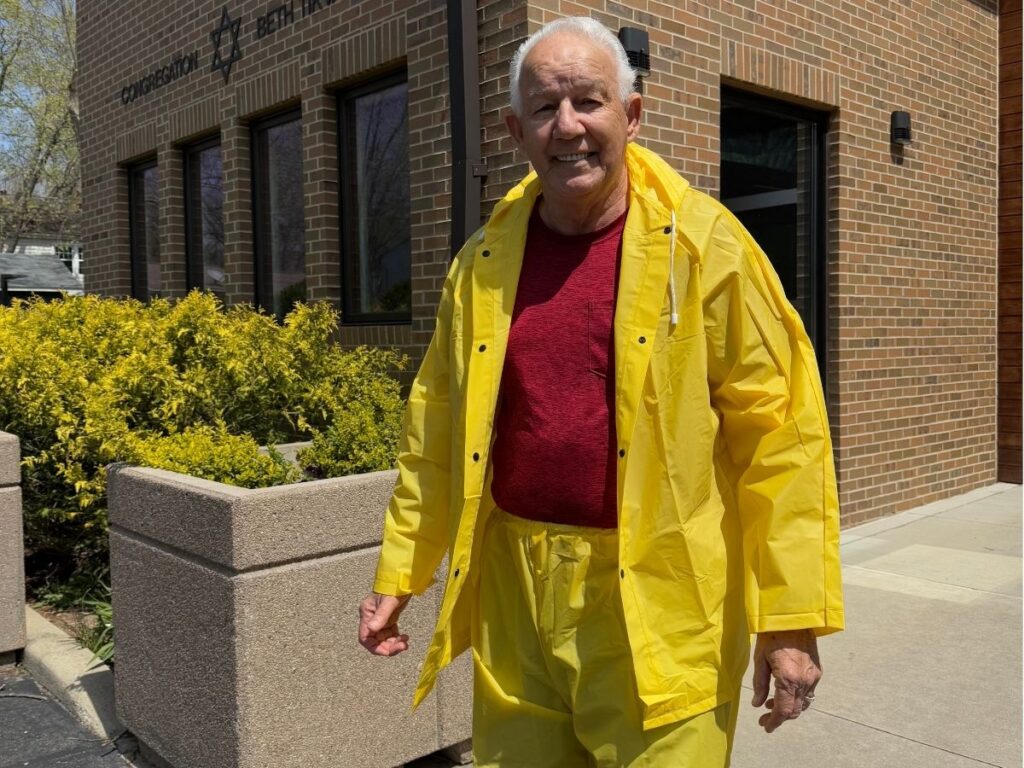
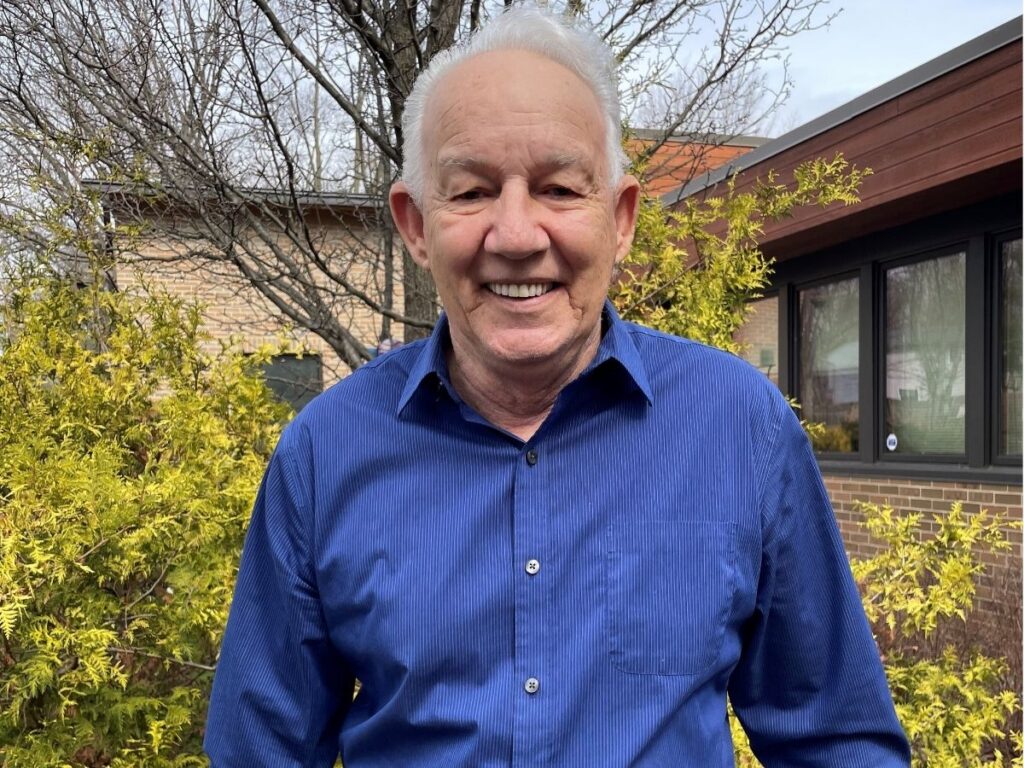
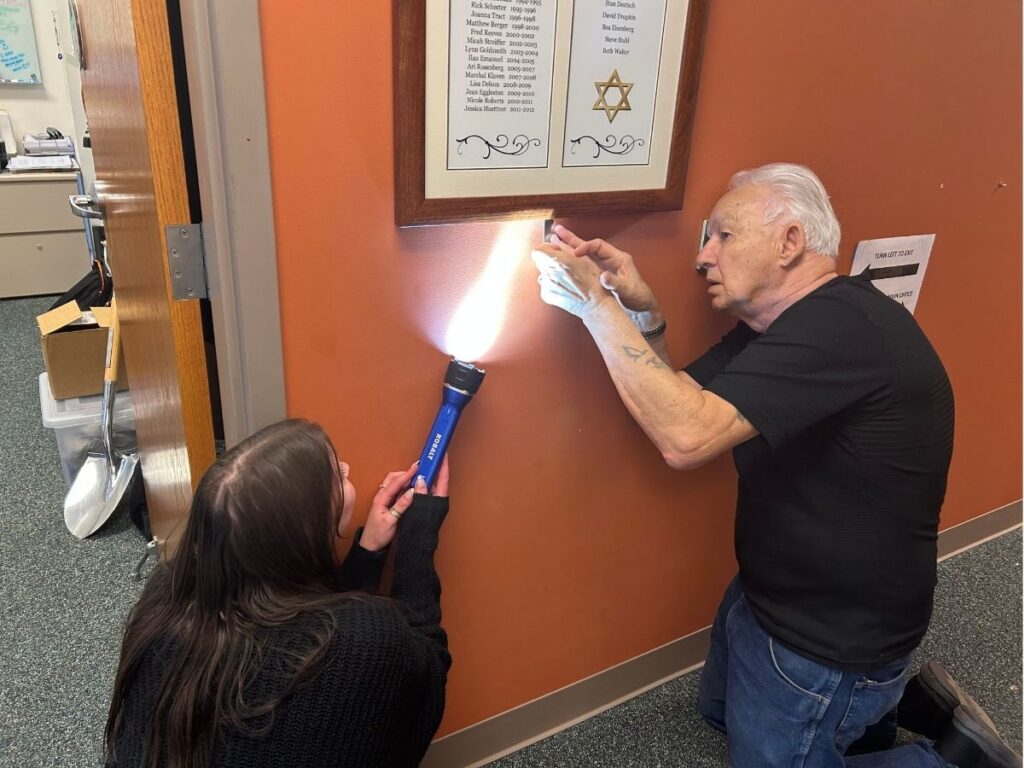
If you’ve ever stepped into Beth Tikvah on a Sunday morning, you’ve likely been greeted by a smile, a joke, or a helping hand from Enos Wisniewski. For ten years, Enos has been a constant presence behind the scenes, tending not just to our building but to the spirit of our community.
This January, Enos will retire after a decade of service as Beth Tikvah’s beloved custodian — though for so many, he has been much more than that. Children know him as “Grandpa Enos,” and generations of families have seen his care and kindness in every corner of our building.
“I try to make people laugh every day,” Enos shared, “regardless of who they are.” It’s that simple joy and connection that has made him such a beloved part of our Beth Tikvah family.
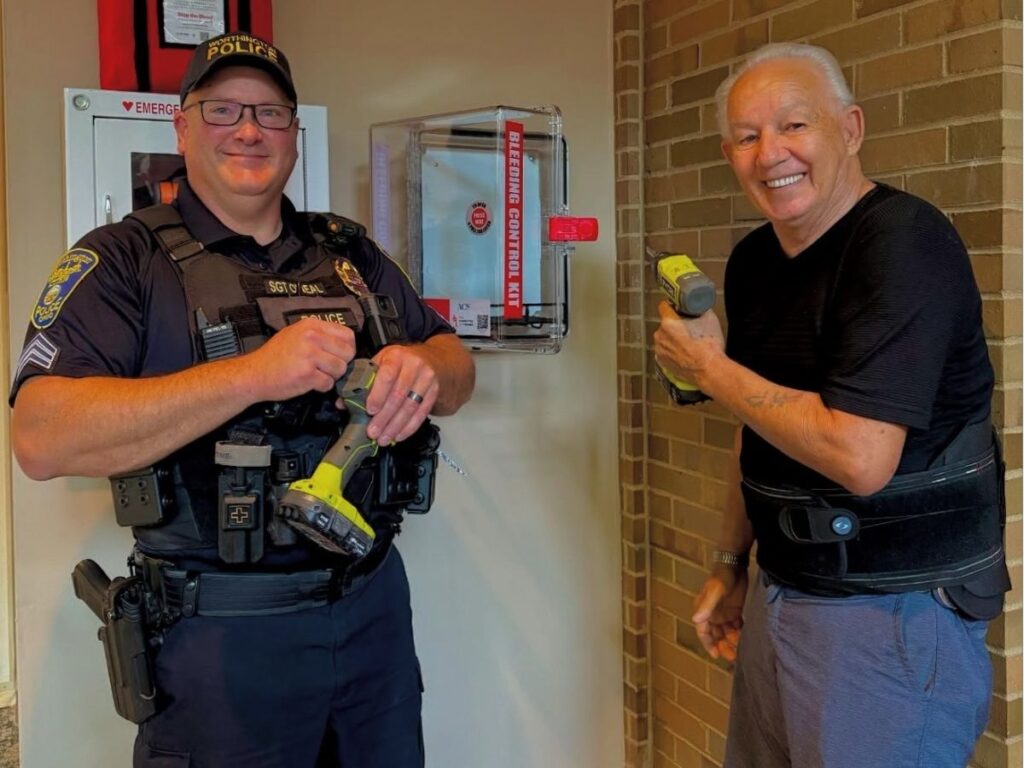
Enos joined our staff in 2015 and has become part of countless moments of life at Beth Tikvah—setting up classrooms, fixing things before they’re noticed, and sharing his signature humor and optimism. “Life’s really short,” he reflected. “I always say, try to treat people right, and try to enjoy it while you’re here.”
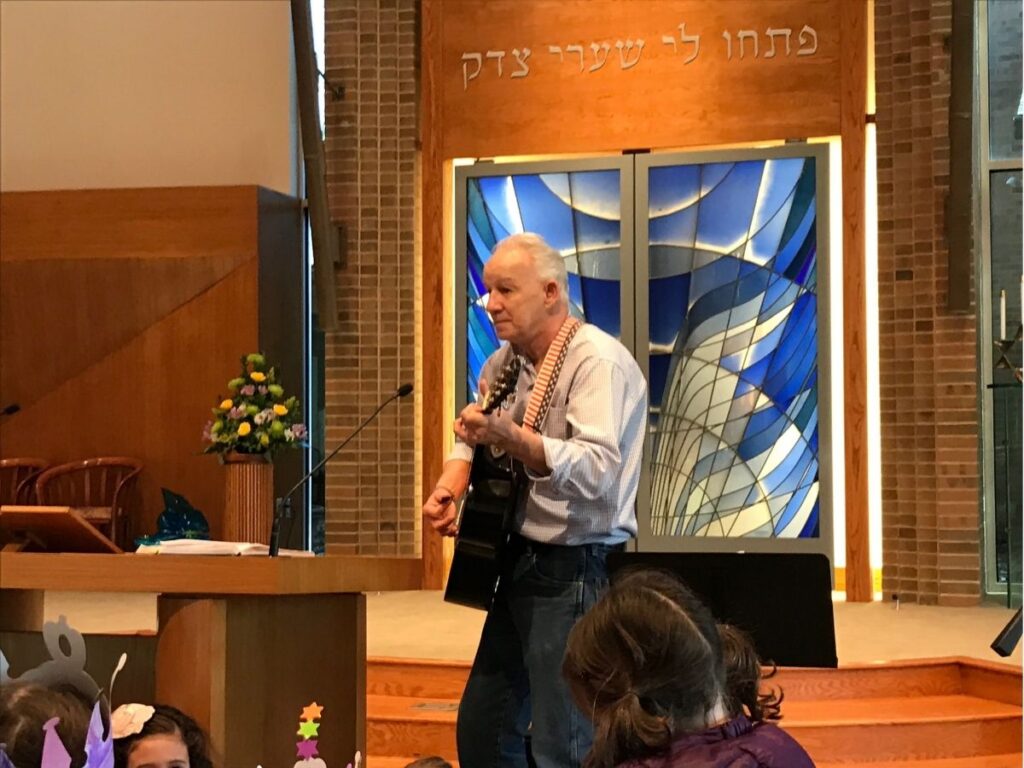
Over the years, Enos has seen our community through everything—High Holy Days and Hanukkah celebrations, Sunday mornings filled with laughter, late-night event cleanups, and the moments of quiet between it all. He has watched generations grow, cheering on students who once toddled through the halls. “I’m gonna miss everybody,” he said softly. “I built great relationships with everyone… I hope everybody keeps me in their heart, because you will all be in my heart forever.”
As we prepare to celebrate Enos’s retirement in January, we also celebrate what he represents: the heart of Mishpacha—family. His care, humor, and humility remind us why this community matters.
“I always brag about this place,” Enos shared. “This is one of the best jobs I’ve ever had in my life.”
That gratitude runs both ways. Enos has left his fingerprints on every corner of our congregation, and his light will keep shining through every smile, every classroom, and every hallway he makes brighter. Let’s honor Enos by carrying that light forward. Help us continue building the kind of community he helped create—one filled with laughter, kindness, and family.
December 27, 2025
Expand your palette! Explore latke recipes from around the world and experiment with different flavors!

Indian-Inspired Latkes: Masala Spice & Mint Yogurt
In India’s Bene Israel and Cochin Jewish communities, spices are central. These latkes are infused with warm garam masala, turmeric, and cumin, echoing flavors found in Indian street snacks like pakoras. Serve with mint yogurt chutney for a cooling contrast.

Korean Jeon-Style Latkes with a Kimchi Kick
Inspired by Korea’s savory pancakes known as jeon, this version blends grated potato with chopped kimchi, scallions, and soy sauce. A gochujang-sesame drizzle gives it that perfect umami punch. While not traditionally Jewish, this fusion reflects modern Jewish-Asian kitchens and culinary creativity.

Middle Eastern Latkes: Za’atar & Tahini
Middle Eastern Jewish communities often season with za’atar, a beloved herb blend, and drizzle everything with tahini. These latkes combine both, plus pops of fresh pomegranate for brightness. A celebration of Mizrahi and Israeli culinary heritage.

Italian Polenta Latkes
Jews in Italy, especially around Venice and Rome, often incorporate polenta (cornmeal) into their cooking. These latkes are made with firm polenta rounds, pan-fried, and topped with rosemary, parmesan, and garlic aioli. A Mediterranean take that’s perfect for a dairy Hanukkah meal.

Latin American Yuca Latkes
Jewish communities in Latin America have long embraced local ingredients like yuca (cassava). These latkes swap out potatoes for yuca, bringing a nutty flavor and chewy-crisp texture. A lime-zesty crema brings it all together, nodding to Colombian and Puerto Rican Jewish kitchens.
December 17, 2025
Celebrating Hanukkah in Reform Judaism
Hanukkah is one of the most joyful, recognizable, and symbol-rich holidays on the Jewish calendar. But beyond the dreidels and latkes lies a deep story about identity, courage, and renewal—one that Reform Judaism invites us to interpret through the lens of justice, hope, and spiritual resilience.
This month’s How-To explores what Hanukkah means, how we observe it, and why its light continues to shine so brightly in Jewish life today.
The Story & Meaning of Hanukkah
The Hanukkah Story
Hanukkah is an 8-day festival that recalls the Maccabees reclaiming the Temple in 164 BCE and the miracle of the single jar of oil that lasted eight days. The story centers on military victory and spiritual rededication. The miracle reminds us that even small acts of courage can create lasting light. We are taught that because Hanukkah grew within post-biblical tradition, its rituals evolved over centuries, giving Reform communities room to interpret the holiday with creativity and meaning.
Spiritual Themes
Reform Judaism emphasizes the values at the heart of the holiday—identity, perseverance, and moral courage. Rather than glorifying battle, our tradition elevates the ongoing work of rededication in our own lives: standing proudly as Jews, practicing gratitude, and acting for justice. Hanukkah invites each of us to “increase the light” in tangible ways.
Lighting the Menorah
How to Light the Hanukkiah (Menorah)
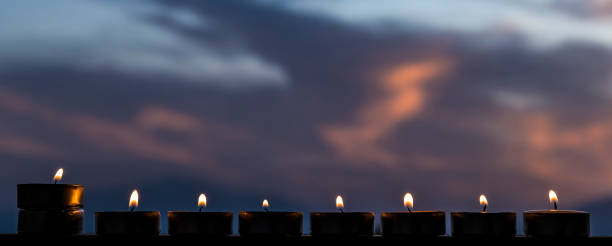
Menorah is a Hebrew word meaning “candelabrum” and refers to the nine-branched ceremonial lamp in which the Hanukkah candles are placed and blessed each night of the holiday. The nine branches include eight branches, one for each day of the holiday, and one branch for the shamash candle that is used to light the other candles. In ancient times, oil was used in the menorah. Over time, candles were substituted for oil. We light the hanukkiah for eight nights, increasing the candles one by one—based on the Talmudic principle that holiness should always increase. Click here to see Hanukkah Blessings.
Reform Practice & Personal Meaning
A central theme of the holiday is pirsumei nisa—publicizing the miracle. Many families place their hanukkiah in a window to share its light outward. Reform Jewish homes often enhance candle lighting with modern readings, music, or values-based reflections—connecting ancient stories to contemporary acts of courage, justice, and gratitude.
Rituals, Food & Traditions
Food Fried in Oil
From crispy latkes to sufganiyot, Hanukkah foods are fried in oil to honor the miracle of the oil lasting eight days. Jewish communities worldwide have distinct versions—like Sephardic bimuelos, Greek loukoumades, or Moroccan sfenj.
Dreidel, Symbols & Meaning
The dreidel’s letters—Nun, Gimel, Hei, Shin—stand for “A great miracle happened there.” Historically, the game may have served as a playful cover for Jewish learning during times of oppression. Today it symbolizes creativity, resilience, and joy.
Gifts Through the Reform Lens
Gift-giving is a modern custom shaped by contemporary culture. Reform communities encourage meaningful practices—experience-based gifts, handmade items, or dedicating one night to tzedakah. See the Social Justice Gift Guide.
Beyond “I Have a Little Dreidel”
Listen to our Playlist!
There is no shortage of music for Hanukkah—just take a look at Spotify or another music streaming service, and you will find more music for this minor holiday than for many major ones! The variety is astounding, from global traditional choral music to non-traditional ensembles from Jewish communities in Israel and the U.S.; from modern a cappella and parody songs to children’s music by solo artists; from songs in Yiddish and Ladino to instrumentals by klezmer groups.
This Hanukkah season, consider choosing a different genre or artist for each of the eight nights and see what you discover. There is something for every mood and taste to accompany a latke dinner and beyond. Our very own Julie Sapper has created a Hanukkah music playlist on Spotify, which can be accessed by clicking the button below!
Bringing Light into our Community
At Congregation Beth Tikvah, Hanukkah is a celebration of shared light—through our annual Latkefest, festive community Hanukkah celebration, and moments of connection that bring warmth to our community. Reform Judaism encourages lighting not just candles, but lives—through tzedakah, acts of kindness, and social justice. Many families adopt the tradition of donating one night’s “gift” to organizations in need.
Hanukkah reminds us that even a small flame can change the world. It invites us to rededicate ourselves to Jewish life, to community, and to hope that grows brighter with each night.
Sources
Union for Reform Judaism. “History: The Hanukkah Story”
Union for Reform Judaism. “Hanukkah (Holiday Overview)”
Union for Reform Judaism. “A Social Justice Gift Guide for Hanukkah”
Union for Reform Judaism. “Hanukkah Blessings”
Union for Reform Judaism. “Celebrate a Social Justice Hanukkah”
My Jewish Learning. “The History of Hanukkah”
My Jewish Learning. “Hanukkah 101”
My Jewish Learning. “Hanukkah Foods”
December 15, 2025
See Beth Tikvah’s Latest Posts…
Death & Dying
Death and mourning are among the most sacred and emotionally charged experiences in Jewish life. Yet even in grief, Judaism offers guidance, ritual, and connection.
Read below to explore the customs and values surrounding death and mourning in Reform Judaism, helping us understand not just what we do, but why we do it.
Jewish Perspectives on Death & Mourning
Cremation vs. Burial in Reform Judaism
While traditional Jewish law calls for burial, Reform Judaism recognizes that the ways we honor loved ones evolve with time and values. Cremation is permitted when chosen thoughtfully, though burial remains the most common practice. What matters most is intention—treating the body with dignity and ensuring that the process reflects the sanctity of life. Reform rabbis often emphasize that every choice around end-of-life should balance Jewish teaching, personal conscience, and compassion. Beth Tikvah partners with Green Lawn Cemetery for our burial arrangements.
Green Burials
Increasingly, Reform Jews are exploring green burials as a way to reconnect with the earth and Jewish ecological values. These burials avoid embalming fluids and non-biodegradable materials, allowing the body to return naturally to the soil. Green burials echo the verse, “For dust you are, and to dust you shall return.” Kokosing Nature Preserve is a green burial site near Columbus.
Tattoos & Burial
Many Jews grew up hearing that people with tattoos couldn’t be buried in a Jewish cemetery, but that’s a myth. Reform Judaism rejects the notion that physical markings exclude anyone from Jewish community or ritual. Jewish cemeteries often welcome all Jews, regardless of tattoos or other choices. Our tradition teaches that we are created b’tzelem Elohim (in the image of God) and no external mark can change that.
The Funeral & Ritual Practice
Prayers & Funerals
A Jewish funeral focuses less on death and more on honoring the life that was lived. Services often include El Malei Rachamim and the Mourner’s Kaddish, which praises God and sanctifies life even in sorrow. The funeral usually occurs as soon as possible after death, affirming our belief in the dignity of the body and the urgency of returning it to the earth.
Burial Traditions: Shoveling & Placing Rocks
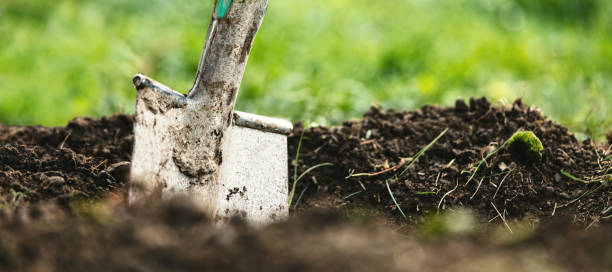
At the graveside, mourners may take turns shoveling Earth into the grave, a profound and humbling act known as the truest kindness because it cannot be repaid. It grounds the moment in reality and invites closure. After burial, we honor our loved ones by placing rocks instead of flowers on their graves. Stones symbolize permanence, unlike flowers that fade, rocks endure. Each stone left behind is a small act of remembrance: a sign that someone visited, remembered, and carried the person’s memory forward.
To help arrange your funeral needs, we recommend contacting Epstein Memorial Chapel. Funerals can take place at Beth Tikvah, graveside, or at Epstein Memorial Chapel.
The Mourning Process
What is Shiva?
Shiva (from the Hebrew word for seven) is the initial week of mourning after burial. Some chose to observe Shiva for up to seven days. Friends and community members traditionally “pay a shiva call,” meaning they visit the home to offer comfort. Food is often brought, both as a practical kindness and to remind mourners to eat when they might not feel like it. A memorial candle is lit inside the home and sometimes prayer services are held so mourners can recite Kaddish together. The intention is not to isolate but to create space for grief in a setting of comfort and presence; it’s about showing up, listening, and being present. Silence, when offered with warmth, can be as healing as words. Upon the conclusion of Shiva, it is customary to take a walk around the block, symbolizing a return to society.
The Two Stages of the Mourning Process: Shiva & Shloshim
Judaism recognizes that grief evolves over time. After shiva ends, mourners enter shloshim, the thirty days following burial. During this period, mourners gradually resume daily routines while continuing to remember and honor their loved one. For those mourning parents, the period of saying Kaddish extends to eleven months. These structured stages teach us that while loss is permanent, its intensity softens as life and memory coexist.
The Importance of Showing Up
The mitzvah of comforting the bereaved is one of the most meaningful acts of kindness in Jewish life. You don’t need perfect words or deep theology; your presence is the prayer. Simply showing up at a funeral, attending shiva, or sending a heartfelt note reminds mourners that they are not alone. In a time when people often shy away from grief, Judaism calls us toward it with open arms and open hearts.
Continuing Bonds & Memory…
Long after shiva and shloshim end, Judaism offers opportunities to keep memory alive. Lighting a Yahrzeit candle on the anniversary of a loved one’s death, participating in Yizkor memorial services on festivals (Yom Kippur, the final day of Sukkot, the final day of Passover, and during Shavuot), and giving tzedakah in their name all keep their light burning within our community.
In moments of loss, Judaism calls us not to retreat but to connect. Through our rituals, we learn that mourning is not an ending; it is a bridge between love remembered and love renewed.
May this guide help you approach death and mourning with greater understanding, comfort, and courage, and may it remind us that showing up for one another, even in grief, is one of the holiest acts we can perform.
HOW-TO WITH BETH TIKVAH
We’re excited to introduce a new monthly feature called How-To with Beth Tikvah! Each month, we’ll explore a different aspect of Jewish life, from celebrating holidays and hosting Shabbat Dinners, to navigating life’s milestones and moments of loss, this series will help deepen your understanding of Jewish practice in a Reform context.
Our goal is simple: to make Jewish living accessible, meaningful, and relevant for everyone in our Beth Tikvah community. Whether you’re learning something new or rediscovering an old tradition, “How-To” offers practical guidance with a Beth Tikvah touch!
Sources & Further Reading:
Union for Reform Judaism. “Death & Mourning.”
Union for Reform Judaism. “Preparing for a Jewish Funeral: A Guide.”
JCFS Chicago. “Traditional Jewish Ritual and Mourning Practices.”
Union for Reform Judaism. “Why We Offer Green Burial in Our Community.”
Union for Reform Judaism. “What is Reform Judaism’s position on Cremation?”
My Jewish Learning. “Why Jews Put Stones on Graves.”
Union for Reform Judaism. “Everything You Need to Know About the Jewish Custom of Shiva.”

November 19, 2025
Dear Congregation Beth Tikvah,
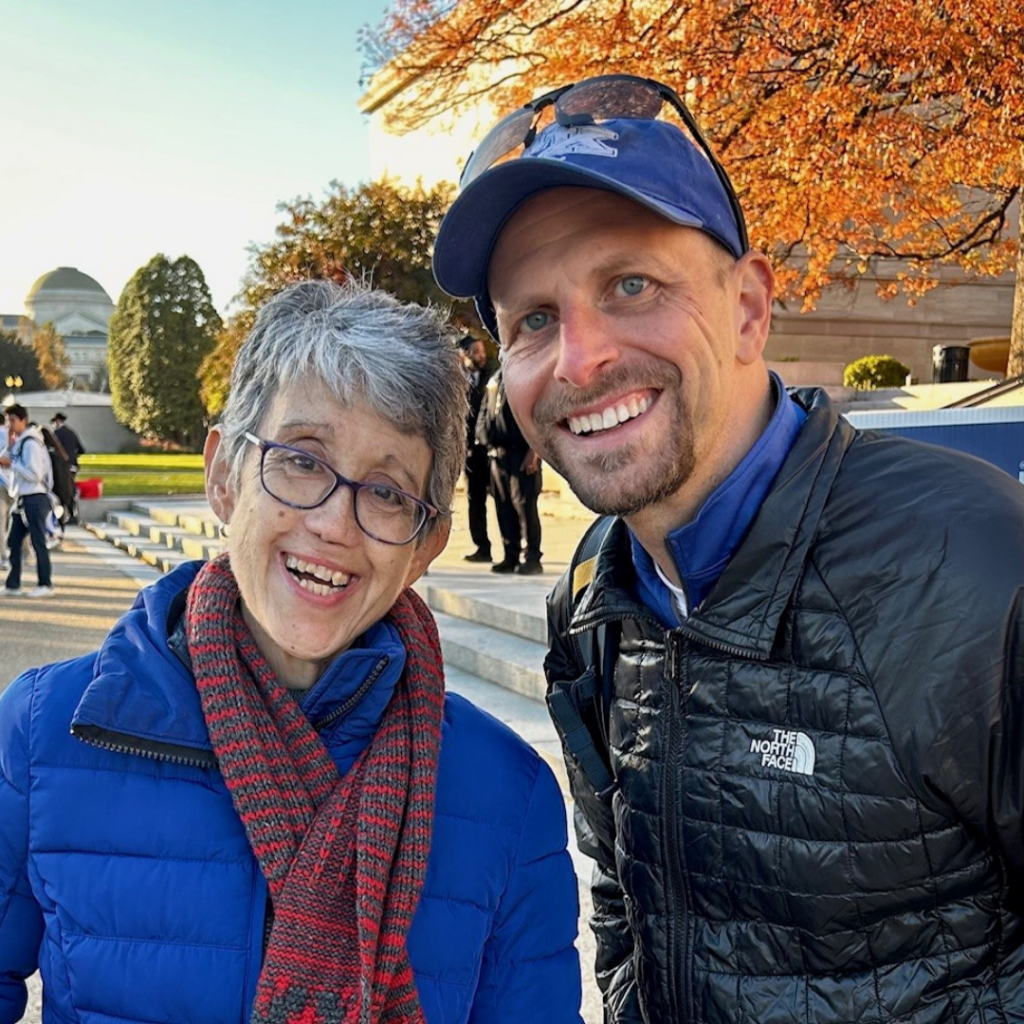
Last month, the Beth Tikvah Board of Trustees was informed of my decision to retire as the Director of Musical Programming at the end of this Spring.
I am filled with emotion, acknowledging that I will miss so many aspects of this work. From teaching religious school music back in 2007 to moving into the larger role that I have now held since 2013, I have been fortunate to interact with a wide range of ages and many aspects of congregational life. The most precious part of it all has been my role in helping to create an engaged musical and spiritual community with my colleagues; it humbles me to think that I had a part in this.
For those of you who have made the decision to venture into the unknown world of retirement, you may be able to relate to this combination of excitement and trepidation. Nevertheless, I feel very good having taken this step and am at peace knowing that this is the right time for me.
I will always be grateful for the many opportunities to grow, develop and create that this “job” has afforded me and the relationships that it has fostered over the years.
My heart is full of love and gratitude for the support from this very special congregation.
Julie Sapper
Director of Musical Programming
November 1, 2025