
September 1, 2025
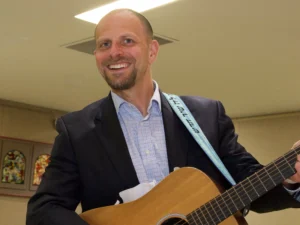
Some people hold the perception that an immense amount of air is required to sound the shofar. When I sound the shofar, I form the embouchure with my mouth, close my eyes and allow a small but measured amount of air to flow through the ram’s horn. Each shofar is unique, and I have found some to be more difficult to sound than others. With a little trial and error, I am usually able to make it work! When I think about how little breath is required to make the shofar sound, I begin to wonder about the power held by such a little breath; how such a loud blast awakens the soul.
In Hebrew, the words for breath and soul are connected. N’shamah is one of the words for soul, and n’shimah, is the word for breath. Early in the book of Genesis, we read that God breathed the breath of life into Adam. Our morning blessings begin with prayers of gratitude, thanking God for the gift of body and soul. Elohai N’shamah shenatata bi, My God, the soul you have shaped within me. The Hebrew connection between the two words opens the possibility for much interpretation. Our breath is the source of our life; it is a divine gift. Breathing and heart beats are among the normal, naturally occurring actions of our body. We can hold our breath, but only for so long, until our body requires us to breathe again. Our soul is the part of our being we cannot begin to describe with words. As Mussar master, Alan Morinis teaches, the soul is the seat of our moral virtues, it is the spirit that animates us, and it is intimately connected to the divine. When we say we are created in the divine image, perhaps it is the soul that we are referring to.
Arriving in this moment in the new year requires a little bit of n’shimah work and n’shamah work. The High Holy Days provide an invitation for all of us to breathe deeply, take a break from our chaotic lives, and focus on the important soul-work we each need to do. The High Holy Days are also called the Yamim Noraim, the Days of Awe. Awe is one of those traits that is found rooted in the soul. Alan Morinis also writes that, “Awe is a natural human response to an overwhelming profound experience.”
We stand in awe when the shofar sounds. We lean in with awe as we spend time harnessing the internal instruments that empower us to reflect, examine, discern, and turn. Perhaps, each day, during the remaining weeks of Elul, you will make your way to Psalm 27 and imagine yourself dwelling in God’s holy mountain and frequenting God’s Temple.
As we engage in this challenging work, we know we will feel sheltered from above. As we read Psalm 27, we might even consider focusing on the words tekia, shevarim, teruah, and tekia again. The notes of the shofar go from whole to broken and back to whole. These metaphors provide the sacred road map for us to recognize that our lives begin whole, and as we encounter brokenness, we have challenging but sacred work to do to make them whole again.
As 5785 winds down, and we enter 5786, we know that our people continue to feel broken. We are reminded of that brokenness each day as we pray for the return of the hostages and an end to the war. May 5786 bring us moments of sweetness and joy amid challenges and pain. Debra, Zoe, Shira, and I all wish you a Shanah Tovah! We hope to see you at our annual Open House on Rosh Hashanah afternoon.